
 Image 1 of 1
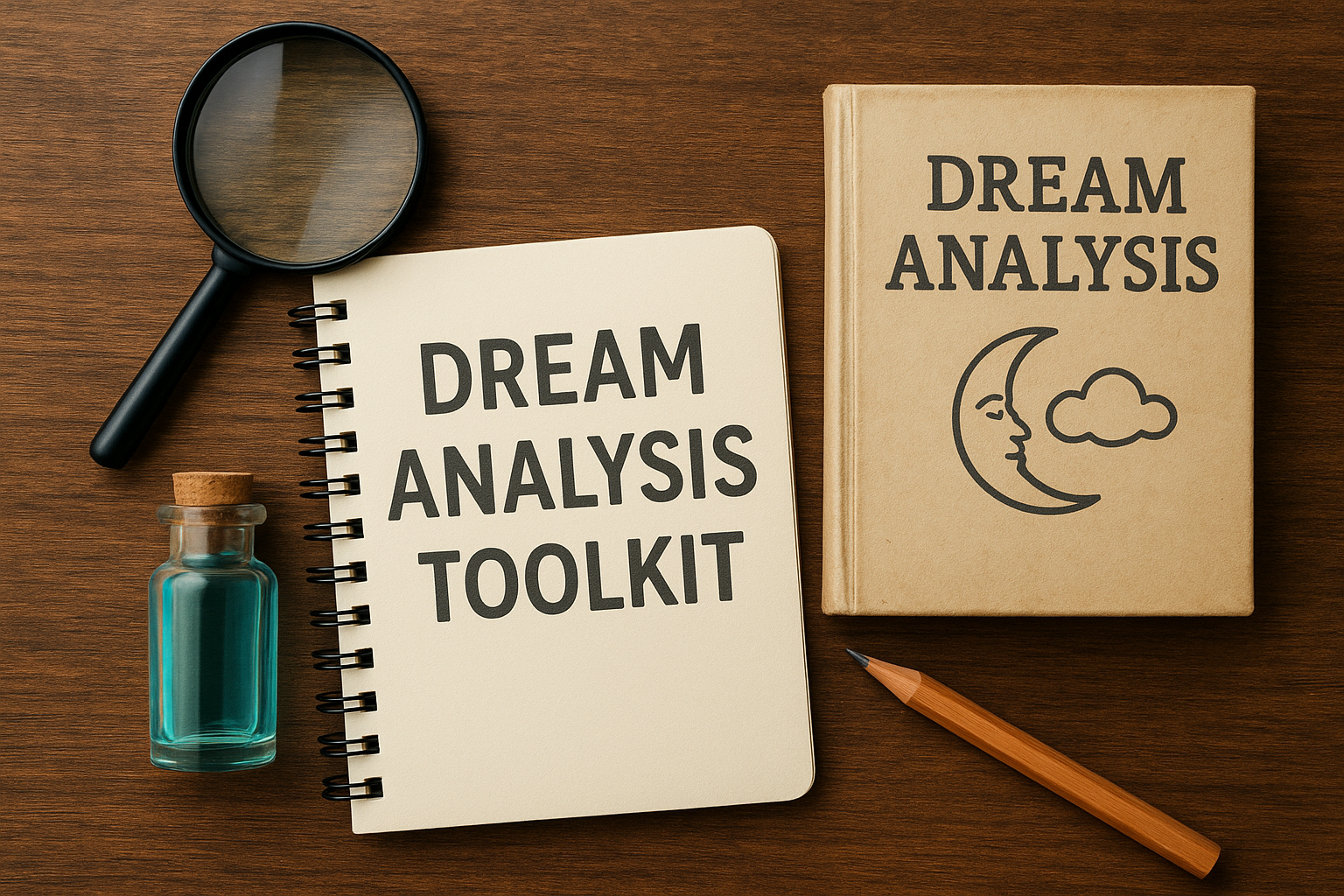
The Dream Analysis Toolkit for Nightmares is a practical, trauma-informed clinical 9 step process resource designed to help therapists integrate dream exploration and nightmare processing into their therapeutic work. Developed by Pablo Orozco-Castro, LCSW, this toolkit provides structured exercises, clinical prompts, and therapeutic interventions to support clients in exploring the emotional, psychological, and symbolic dimensions of their dreams.
Grounded in collaborative, client-centered care, the toolkit helps clinicians facilitate meaningful conversations about recurring nightmares, unresolved experiences, emotional distress, and underlying fears while prioritizing client safety, stabilization, and readiness.
The toolkit includes a comprehensive collection of clinical worksheets and guided exercises, including nightmare assessment questions, dream narrative documentation, symbolic and thematic exploration, emotional and somatic processing prompts, and tools for tracking nightmare patterns over time. It also incorporates practical interventions such as safe-place visualization, containment exercises, creative dream processing, and Imagery Rehearsal Therapy (IRT).
Particular attention is given to the importance of culturally responsive and trauma-informed practice, encouraging therapists to honor each client's personal, cultural, and spiritual understanding of dreams rather than imposing predetermined interpretations.
Whether working with clients experiencing recurring nightmares, trauma-related distress, anxiety, or disrupted sleep, this resource offers clinicians an accessible framework for thoughtfully incorporating dream work into treatment.
What's Included:
Cautions and clinical considerations for trauma-informed dream work.
Structured nightmare assessment questions.
Sleep hygiene and safe-space visualization exercises.
Dream recall and narrative structuring worksheets.
Symbol and theme exploration guides.
Emotional and somatic processing prompts.
Nightmare pattern and intensity tracking.
Therapeutic interventions, including Imagery Rehearsal Therapy.
Creative dream processing exercises.
Between-session dream reflection assignments.
Who Is It For?
Designed for licensed therapists, clinical social workers, psychologists, counselors, and other mental health professionals seeking practical resources to incorporate dream exploration and nightmare processing into their clinical practice.
Clinical Philosophy
Dream work does not require imposing meaning onto a client's experiences. Instead, this toolkit emphasizes curiosity, collaboration, emotional safety, and the client's own interpretation of their dreams. It offers clinicians a structured starting point for exploring how dream experiences may connect with emotional states, personal narratives, and lived experiences.
Developed by Pablo Orozco-Castro, LCSW | © 2025. All rights reserved.